

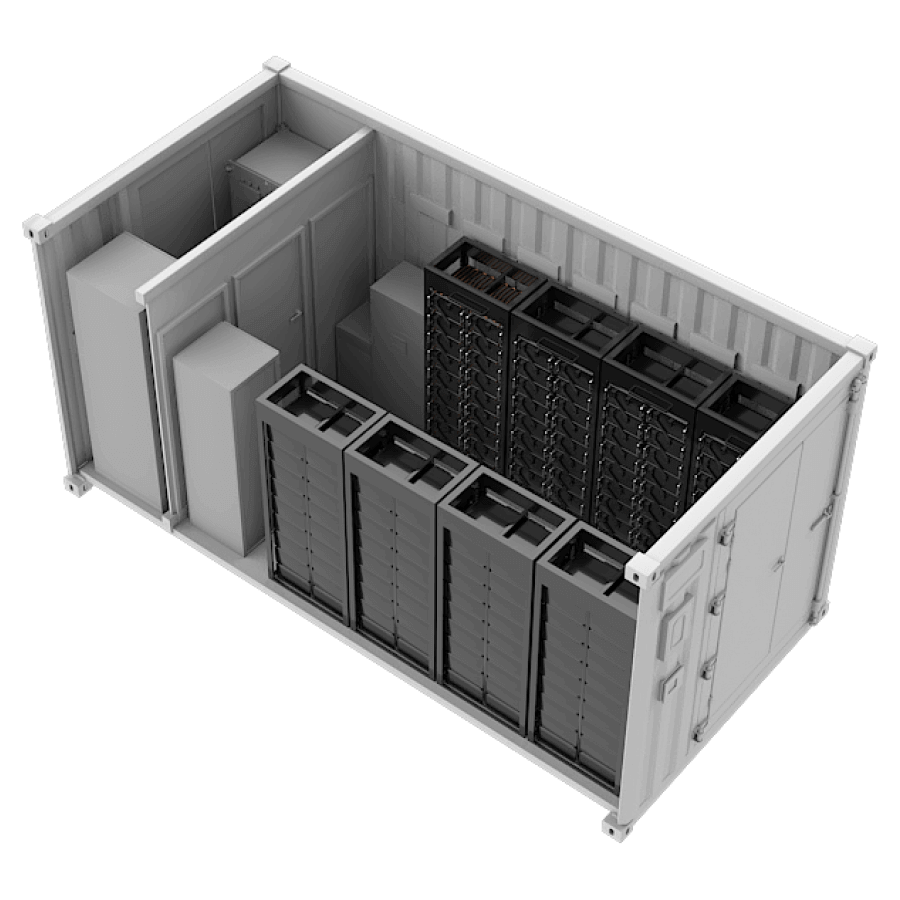
As power systems transition toward higher shares of renewable generation, utility scale battery storage has become a critical component of modern grid infrastructure. These systems enable large-scale balancing of supply and demand while supporting renewable integration. However, deploying renewable energy storage systems at utility scale involves multiple technical, economic, and operational challenges that must be addressed to ensure reliable performance and long-term viability.
Grid Integration and Technical Complexity
One of the primary challenges in implementing utility scale battery storage is integration with existing power grids. Utility networks were traditionally designed for centralized generation, not bidirectional energy flow. As a result, integrating renewable energy storage systems requires advanced control technologies and coordination with grid operators to maintain stability.
Technical complexity also increases with system scale. Large utility scale battery storage installations must manage high power flows, thermal conditions, and system balancing across multiple operational modes. Compatibility with diverse generation sources such as photovoltaic, wind, and thermal power further adds to system design complexity. WHES addresses these challenges by providing integrated Utility Energy Storage System (ESS) solutions that are designed for seamless compatibility with multiple energy sources, improving overall system coordination and grid support functions.
Economic Viability and Operational Optimization
Another key challenge for renewable energy storage systems is achieving economic viability. High initial capital investment, coupled with long operational lifecycles, requires careful financial planning and optimization of revenue streams. Utility scale battery storage must deliver value through multiple applications such as peak shifting, frequency regulation, load leveling, and capacity reserves.
Efficient system operation is essential to maximizing return on investment. Poorly optimized dispatch strategies can reduce system utilization and extend payback periods. WHES utility ESS solutions are designed to enhance renewable energy utilization and smooth power output, which helps improve operational efficiency. By supporting functions such as frequency response and grid stability, renewable energy storage systems contribute to reducing outage risks while improving asset performance.
Enabling Stable and Flexible Energy Infrastructure
For large-scale power systems, utility scale battery storage plays a crucial role in enhancing grid reliability and supporting renewable energy adoption. WHES provides integrated ESS solutions that help utilities and energy operators address variability in generation while maintaining stable system performance. By enabling advanced functions such as peak shifting and load balancing, renewable energy storage systems support the development of more resilient and flexible energy infrastructure.

