

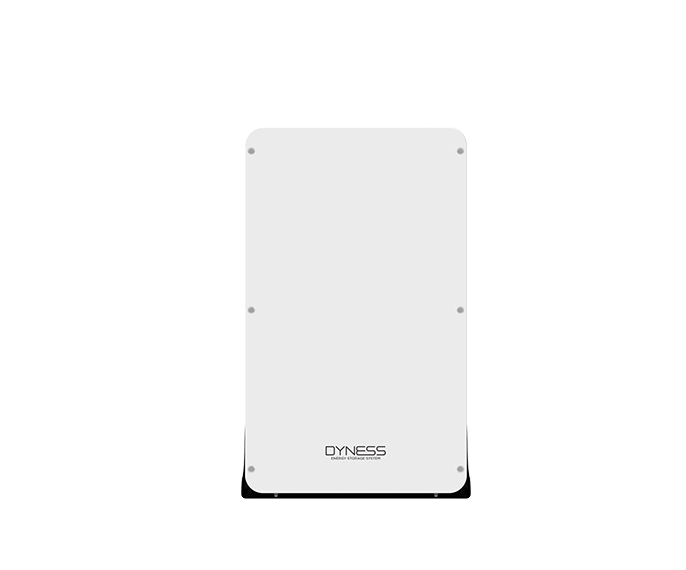
Securing the right spot for hardware determines how well a home battery storage system performs over its lifespan. Dyness focuses on providing versatile hardware that fits into common residential layouts while maintaining high safety standards. When installers evaluate a site, they usually look for areas that offer protection from extreme weather while remaining accessible for routine checks. A Stackable Home Energy Storage System is particularly popular because its modular nature allows it to sit neatly in corners or along narrow walls. By focusing on practical placement, they ensure that the equipment stays within optimal temperature ranges to avoid unnecessary wear on the lithium cells.
Utilizing Garage and Utility Room Spaces
Most residential installations find a natural home in the garage or a dedicated utility room where space is already allocated for mechanical systems. This environment is ideal for a Stackable Home Energy Storage System because the concrete flooring provides a level, sturdy base for the modules. Dyness designs their units to handle these semi-protected areas where dust or slight humidity might exist, though keeping the area dry is always the priority. Installers appreciate the vertical growth of a home battery storage system in these rooms, as it saves floor space for vehicles or other storage needs. Having the units near the main electrical panel also reduces the amount of heavy-duty wiring required, making the setup more efficient for the technical crew.
Outdoor Installations and Shaded Enclosures
Outside walls can serve as an effective mounting point when indoor space is at a premium or specific local building codes require it. Dyness engineers their Stackable Home Energy Storage System with robust outer casings that can withstand various environmental factors, though they recommend using shaded spots to prevent direct sunlight from heating the modules. A home battery storage system mounted on a north-facing wall or under an eave stays cooler, which helps the internal management system keep the hardware running smoothly. Many B2B partners choose these exterior locations because they simplify the ventilation process and provide easy access for maintenance teams without entering the living quarters of the house.
Basement and Sub-Level Considerations
Basements offer a stable, cool climate that is almost perfect for maintaining the chemical health of a home battery storage system. Since temperature fluctuations are minimal underground, the Stackable Home Energy Storage System doesn’t have to work as hard to regulate its internal thermal state. Dyness provides mounting hardware that keeps the modules slightly off the floor, protecting them from potential moisture or dampness often found in lower levels. This placement is a favorite for long-term projects where the homeowner wants the energy tech tucked away and out of sight. It allows for a clean, professional finish that integrates well with the rest of the home’s infrastructure.
Reliable Integration for Long-Term Use
Successful deployment of energy tech relies on matching the hardware to the physical realities of a property. Dyness works closely with their B2B clients to provide the necessary technical specs for every possible scenario, whether it is a cramped indoor closet or a spacious outdoor patio. Their Stackable Home Energy Storage System is built to be adaptable, ensuring that the installation process is straightforward for the technician. By offering a reliable home battery storage system, they help their partners deliver consistent results to homeowners. For a closer look at these residential setups, visit Dyness.

