

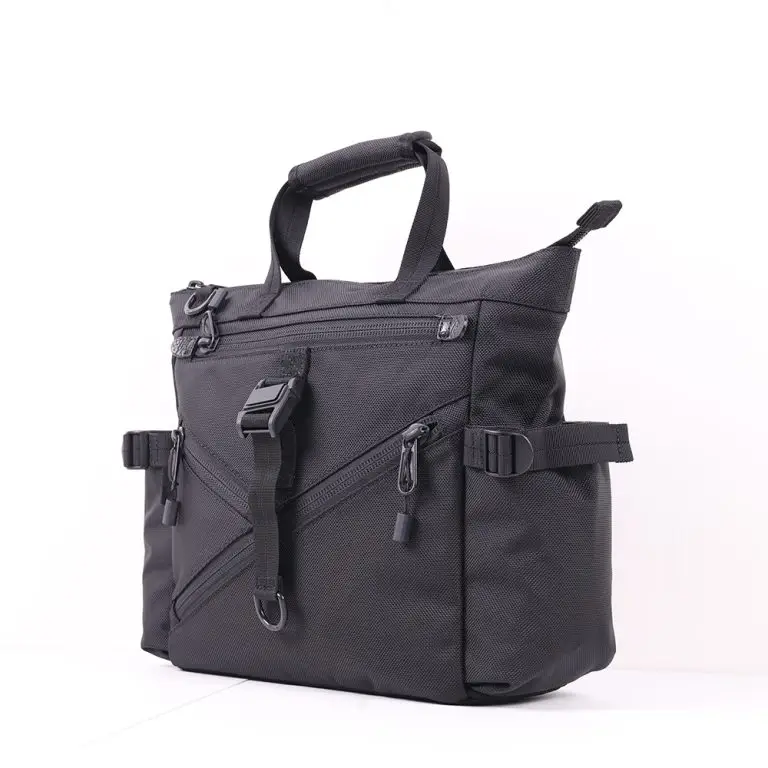
A camera bag may look simple on a product sheet, yet its reliability depends on construction details that buyers cannot afford to overlook. For retailers, photography brands, and sourcing teams, evaluating zipper fatigue and seam strength is important because repeated opening, loading, and carrying can expose weak points quickly. A practical camera bag wholesale program needs more than attractive styling; it requires evidence that the bag can withstand routine use.
Why Zipper Fatigue Matters in Camera Bag Wholesale
Zippers are among the most frequently operated components on a photography bag. A customer may open the main compartment several times during one shooting session, while accessory pockets can be used even more often. Poor zipper teeth, weak sliders, unsuitable tape, or badly finished ends can cause sticking, separation, or failure over time.
Wholesale buyers should examine how smoothly the slider moves under empty and loaded conditions. Samples should also be opened and closed repeatedly to identify resistance, uneven movement, loose teeth, and fraying around the zipper tape. The zipper should match the intended load, since a camera body and multiple lenses place more stress on closures.
Buyers should also assess how the zipper connects to surrounding fabric. Even good hardware can fail due to weak stitching or fabric distortion under tension.
Checking Seam Strength at High-Stress Areas
Seams determine how well a camera bag maintains its shape when compartments are filled. Stress is concentrated around shoulder strap attachment points, pocket corners, handles, zipper ends, and areas where several fabric panels meet.
Buyers can check whether stitches are even, secure, and appropriate for the material thickness. Loose threads, skipped stitches, uneven stitch density, or visible puckering may indicate inconsistent production. Reinforcement is particularly important where the bag carries concentrated weight. Double stitching or other reinforcement can help distribute pulling forces and reduce the risk of separation.
For a custom camera bag, seam evaluation should happen at the prototype stage rather than after mass production. A buyer can request changes to thread, stitch density, reinforcement, or panel construction before specifications are fixed. This can reduce quality problems and costly production adjustments later.
Evaluating a Multi-Pocket Camera Bag Design
The Functional Transform Series Camera Bag For Men uses a practical multi-pocket design intended to organize cameras and accessories for photography, commuting, travel, and outdoor activities. Multiple storage areas create useful separation between equipment, but they also introduce more seams, zipper points, and attachment areas that require consistent construction.
The design uses high-quality fabric described as wear-resistant and durable, which suits buyers seeking products intended for long-term use. Its Functional Transform concept also supports adjustment according to different carrying needs. For purchasing teams, the key question is whether this flexibility is supported by durable hardware, seams, and connection points.
When assessing a sample, buyers should fill major compartments with representative loads and inspect whether pocket openings remain aligned. They should also check whether loaded pockets pull against adjacent seams or cause zipper tracks to curve.
What Buyers Should Request From a Manufacturer
A professional supplier should be able to explain its quality-control process rather than relying only on finished-product appearance. ChangRong reports that its manufacturing process includes raw-material and accessory inspection, sewing inspections, and finished-product testing. The company also states that its facilities use tensile testing, webbing inspection, vibration testing, and other equipment, while finished backpacks undergo full inspection.
For camera bag wholesale projects, buyers should provide clear quality expectations. These can include zipper requirements, seam reinforcement points, stitching standards, load-test expectations, fabric specifications, and inspection criteria. Written standards make sampling more objective and help both sides evaluate production consistency.
Why Customization Should Include Construction Details
A custom camera bag should not be treated as a logo-placement exercise. Pocket dimensions, opening direction, zipper type, reinforcement positions, handle construction, lining, and load distribution can all affect final performance.
ChangRong provides OEM and ODM services covering product development from concepts and sketches through sampling and bulk manufacturing. Its stated manufacturing setup includes two factories, seven sewing lines, and a flexible MOQ starting from 500 pieces, giving business buyers room to define construction requirements alongside branding and packaging.
A stronger sourcing process connects visual customization with measurable construction standards. Buyers can approve a prototype and use it as a reference for bulk inspection.
Building a More Reliable Purchasing Standard
Zipper fatigue and seam strength should be treated as core purchasing criteria rather than secondary quality checks. For business buyers, the better approach is to test representative samples under realistic loads, inspect high-stress seams, evaluate repeated zipper operation, and confirm how the manufacturer controls production quality. ChangRong‘s documented inspection and OEM/ODM capabilities provide a useful framework for buyers developing photography bag programs, especially when durability requirements are defined before mass production.
Conclusion: Turning Durability Checks Into Smarter Camera Bag Sourcing
Successful camera bag wholesale purchasing depends on looking beyond appearance and unit price. Zippers, seams, reinforcement, fabric, and pocket construction all influence whether a bag can handle repeated use. Buyers considering a custom camera bag should make these details part of the specification and sampling process from the beginning. With clear testing expectations and a manufacturing partner capable of controlled production, photography brands can build products that are more dependable in everyday use and easier to scale with confidence.

