

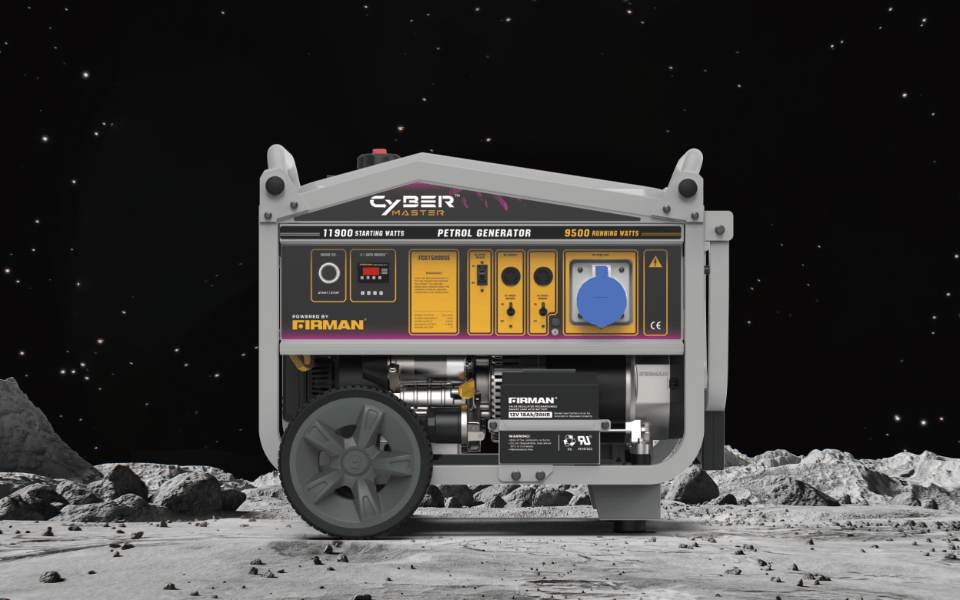
Across Africa, generators play an important role in supporting businesses when grid electricity is unavailable or unreliable. From retail stores and agricultural operations to construction sites, a generator failure can interrupt daily activities and delay essential work. Restoring power depends not only on identifying the fault but also on sourcing the correct replacement parts and obtaining appropriate technical assistance.
Local parts support can help businesses manage these challenges more effectively. However, access to spare parts and repair services varies by country, location, and equipment model. Understanding how to source suitable components and work with reliable suppliers is an important part of maintaining generator reliability across African markets.
Why Parts Availability Matters in Africa
Businesses in Africa operate in a diverse range of environments, from major commercial centers to remote agricultural and industrial areas. A replacement part available in a large city may take longer to reach a site in a less accessible area, depending on local stock levels, transportation arrangements, and supplier networks.
These delays can be expensive, especially when generators are used to power refrigeration, communication equipment, or essential building services. Even a minor malfunction can lead to prolonged downtime if the necessary part is difficult to find or cannot be identified correctly.
Effective generator maintenance therefore begins with understanding which components are required, where they can be sourced, and how quickly they can reach the equipment. Businesses that establish relationships with reliable distributors before a breakdown occurs are better positioned to respond when problems arise.
How Delayed Repairs Affect Daily Operations
A generator fault does not always require extensive mechanical work. A worn filter, damaged electrical component, faulty starting battery, or defective voltage regulator may be responsible for an operational problem. However, even a relatively straightforward repair can take longer if the replacement part is incorrectly identified or unavailable.
Consider a small manufacturing workshop that relies on backup power to operate essential machinery. If its generator remains out of service while staff search for a suitable component, production schedules may be affected. Similar difficulties can arise at farms, hospitality businesses, and commercial premises.
Reliable generator maintenance and repair support helps address these situations through accurate fault diagnosis, appropriate replacement parts, and access to technicians when specialist work is necessary.
What Local Parts Support Should Include
Local availability is valuable only when the supplied components match the equipment. Generator parts vary according to the manufacturer, model, engine, and electrical system. Installing an unsuitable replacement can create further problems or compromise safe operation.
Businesses should look for suppliers that can assist with component identification and explain whether a part is suitable for the specific generator. Useful support may cover routine service items, starting-system components, filters, electrical controls, and other model-dependent replacement parts.
Before requesting a quotation, prepare the generator model, serial number, engine identification details, and the part number if available. Clear photographs of the nameplate and existing component can also help the supplier identify the correct item.
Firman provides maintenance guidance through its official FAQ and support resource, covering routine checks, troubleshooting, storage, and after-sales assistance. Owners can use this information alongside their equipment manual and distributor advice when planning servicing or investigating common problems.
Making Maintenance More Predictable
Preventive planning reduces dependence on emergency purchasing. Businesses should maintain a service record showing operating hours, previous repairs, replacement components, and upcoming maintenance tasks. These records help technicians identify recurring faults and determine which consumables may be needed during scheduled servicing.
Environmental conditions also influence maintenance requirements. Across parts of Africa, heat and dust can contribute to restricted airflow and increased air-filter contamination. Regular inspections and cleaning, performed according to the manufacturer’s instructions, help address these conditions before they contribute to more serious problems.
A practical generator maintenance plan should follow the equipment manual rather than rely on one universal service interval. Usage frequency, operating conditions, and the generator model all influence the appropriate schedule.
For equipment supporting critical operations, managers can also evaluate whether keeping selected replacement items on site makes financial sense. Frequently used service consumables may justify stocking, while expensive or specialised components may be better sourced through an established supplier when required.
Choosing a Supplier That Supports Long-Term Reliability
Price matters when purchasing spare parts, but the lowest quotation does not necessarily represent the best overall value. Buyers should also consider identification accuracy, component suitability, stock availability, delivery arrangements, and access to technical assistance.
Ask suppliers whether replacement parts are genuine or approved alternatives, depending on the equipment manufacturer’s requirements. Confirm the expected delivery time before authorising repairs, particularly when the generator supports essential business functions.
A dependable supplier should also explain the next steps when a requested component is unavailable. Clear communication helps maintenance teams decide whether to schedule work, arrange an alternative sourcing option, or adjust operating plans.
For businesses using Firman equipment, the company’s support information provides a starting point for basic troubleshooting and after-sales enquiries. Owners should retain their purchase records and equipment identification details to help distributors assess their requirements.
Turning Parts Support into an Operational Advantage
Local spare-parts access is most valuable when it forms part of a wider reliability plan. Accurate equipment records, scheduled inspections, suitable replacement components, and responsive technical assistance work together to reduce avoidable repair delays.
For African businesses, effective generator maintenance and repair planning should account for the location of each installation, the consequences of downtime, and the practical availability of parts. Firman offers an official support resource that helps owners understand routine care and common troubleshooting procedures. Combining manufacturer guidance with dependable local supplier relationships gives businesses a clearer path from fault identification to repair.
Ultimately, local parts support matters because a generator is useful only when it can perform its intended role. Preparing for replacement needs before a failure occurs helps businesses make better maintenance decisions and protect continuity of operations.

