

International supply chains subject shipping packages to massive mechanical stress. During cross-border ocean or air transit, packages experience high-frequency vibrations, heavy stacking pressures, and rapid temperature shifts. For B2B buyers and e-commerce brands, a damaged parcel means product losses, customer complaints, and costly reverse logistics. To survive these conditions, transit packaging must be engineered with high-density physical properties. Developing durable packaging solutions requires a deep understanding of polymer science and quality control. Reliable packaging partners, such as WH Packing, leverage vast manufacturing resources to engineer mailers that withstand these environmental challenges. By utilizing advanced co-extrusion technologies, industrial manufacturers protect cargo integrity from the factory floor to the end customer’s doorstep. This technical approach guarantees that parcels remain intact across global shipping networks.
I.The Physics of Film Durability and Co-Extrusion
The structural integrity of a plastic shipping bag depends on how the film is manufactured. Single-layer low-density polyethylene (LDPE) lacks the structural resilience required for international distribution. High-performance mailers utilize multi-layer co-extrusion technology. This process fuses different polymer layers into a single, highly durable film. Co-extruded film distributes mechanical stress across several layers, dramatically increasing tear and puncture resistance.
To prevent sharp-edged retail boxes from piercing the film, manufacturers must maintain strict thickness calibrations. Standard international shipping bags generally range from 50 to 75 microns in thickness. Maintaining consistent thickness across millions of production units requires rigorous quality management systems. Factories certified under ISO 9001 rely on electronic thickness sensors and automated gravimetric feeding systems during the extrusion phase. This internal quality control minimizes physical weak points in the film, ensuring that every batch exhibits predictable load-bearing capacity and tensile strength.
II.Preventing Adhesive and Seal Failures under Extreme Conditions
While film strength is vital, mechanical seals and closures are often the first points of failure during transport. Cargo containers parked on shipping docks can reach internal temperatures exceeding 60 degrees Celsius in tropical ports. Conversely, high-altitude air cargo holds often drop to sub-zero temperatures. These thermal extremes can cause standard adhesives to melt or turn brittle, causing package seals to fail.
To secure shipments under these conditions, industrial suppliers apply specialized hot-melt adhesives. These pressure-sensitive adhesives form a permanent, tamper-evident chemical bond with the polyethylene film. In addition to high-performance adhesives, side welds must be reinforced to prevent blowout under heavy stacking loads. Standard side-welds are prone to splitting under compression. Manufacturers use dual-weld thermal cutting technology to reinforce bag borders. Procurement teams sourcing wholesale poly mailers can verify seal integrity by requesting ASTM D1876 T-peel test data. This scientific standard measures the exact force required to separate the adhesive bond, ensuring the bag remains sealed throughout the shipping journey.
III.Balancing Sustainability and Structural Strength
Modern B2B supply chains must balance mechanical protection with environmental regulations. Many countries now impose strict plastic taxes, driving the demand for sustainable packaging materials. The challenge for manufacturers is to integrate recycled resins without compromising the structural properties of the shipping bag.
The Global Recycled Standard (GRS) provides a clear framework for verifying recycled content. Sustainable polymers are categorized into three main types: pre-consumer recycled materials, post-consumer recycled materials, and fully biodegradable options. While pre-consumer recycled polymers retain high molecular weight and excellent tensile strength, post-consumer materials require careful blending to prevent polymer chain degradation. For ocean freight destined for eco-conscious markets like Australia, fully biodegradable formulations are highly preferred. Using certified recycled poly mailers guarantees regulatory compliance while offering robust tear resistance. By utilizing premium post-consumer resins, manufacturers can produce white plain poly mailers and colored plain poly mailers that match the performance of virgin plastics, reducing carbon footprints without increasing transit damage rates.
IV.Designing and Prototyping Custom Poly Mailers for Logistics
Every product category presents unique shipping vulnerabilities. Heavy garments require puncture resistance, while fragile electronics demand moisture barriers and dust protection. Standard packaging sizes often lead to excess void space, which increases the likelihood of transit damage due to shifting items.
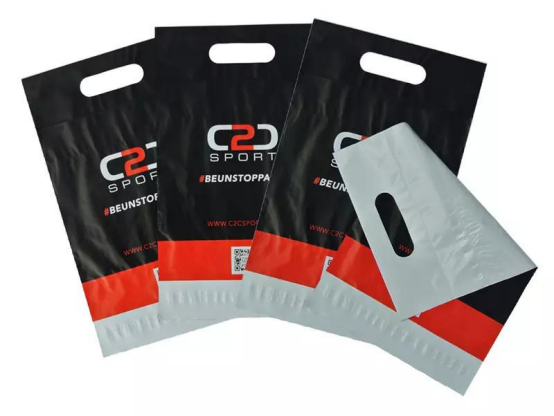
To optimize packaging efficiency, enterprise buyers utilize professional OEM and ODM design services to develop custom poly mailers tailored to their product dimensions. Customization allows brands to select specific features, such as printed poly mailers with high-friction external coatings that prevent slipping on conveyor belts. For heavier shipments, utilizing poly mailers with handle reduces physical strain during manual sorting, preventing handling-induced drops. For inner-carton organization,transparent poly mailers offer quick visual scanning without exposing the item to dirt or moisture. Experienced design teams provide pre-production prototyping, finite element analysis, and physical transit simulations. These services ensure that customized parameters, such as thickness and seal width, align perfectly with cargo weight and carrier specifications.
V.Mitigating Global Shipping Risks with Certified Logistics Solutions
Preventing transit damage in global trade requires a strategic approach that combines material science, strict quality control, and scalable manufacturing. Selecting a certified partner with large-scale production capabilities is essential for maintaining supply chain consistency. Large factories, covering tens of thousands of square meters with monthly outputs of 100 million units, provide the manufacturing precision and stable raw material access required to eliminate batch-to-batch variance.
By implementing ISO-certified quality protocols and utilizing GRS-certified sustainable resins, enterprise buyers can protect their cargo while meeting global environmental standards. Establishing partnerships with professional OEM manufacturers ensures access to tailored engineering support and guaranteed delivery schedules. This structured approach to packaging procurement minimizes operational liabilities, reduces product loss, and ultimately ensures that international shipments arrive in pristine condition.

