

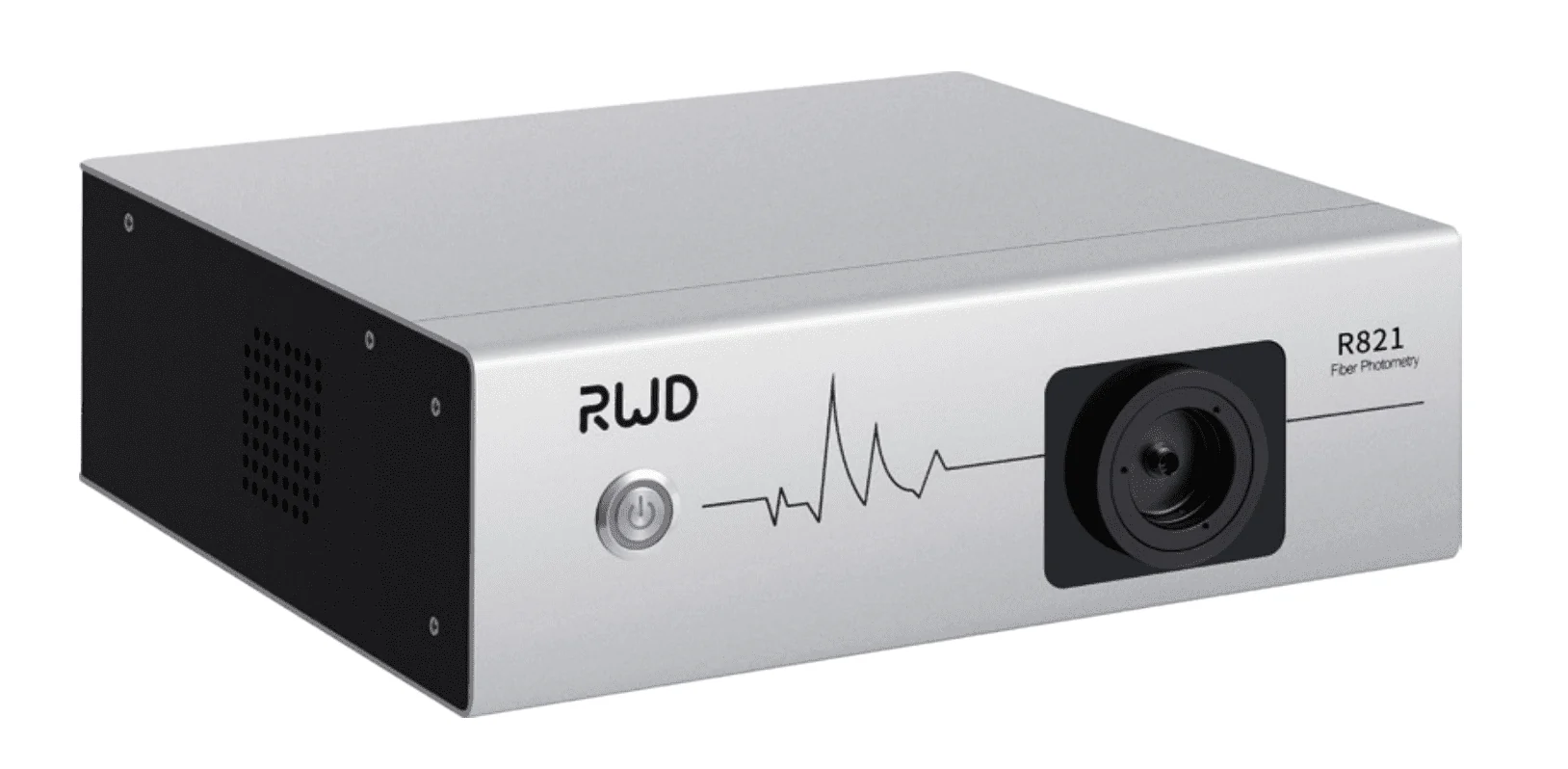
Successful neural recording with a fiber photometry system relies on a secure and stable hardware interface. The process of fixing a fiber optic cannula in mice is a critical surgical step that influences signal quality and animal welfare. For researchers utilizing fiber photometry mice models, adherence to precise protocols ensures the longevity of the implant and the reliability of the collected data.
Surgical Preparation and Sterilization
Aseptic technique is fundamental. All components, including the cannula, skull screws, and surgical tools, must be properly sterilized. The mouse’s scalp is shaved and disinfected, and a sterile field is maintained. A precise craniotomy is drilled at the target coordinates to allow cannula insertion. This careful preparation minimizes infection risk, which is a primary cause of implant failure in fiber photometry mice studies.
Implant Fixation with Skull Screws and Cement
The stability of a fiber photometry system depends on a robust mechanical bond to the skull. The placement of multiple skull screws around the implantation site provides a crucial anchor for the dental acrylic cement. The cement is then applied to form a headcap that fully encases the cannula base and the screws. This creates a permanent, stable platform that can withstand the natural behaviors of the animal throughout the study.
Post-Surgical Maintenance and System Compatibility
Following surgery, the headcap integrity must be monitored regularly. The cement should form a smooth, sealed edge against the skull to prevent skin irritation. For the fiber photometry system to function correctly, the cannula must remain perfectly perpendicular to the skull surface, ensuring a consistent connection with the patch cable during data acquisition from freely moving fiber photometry mice.
A securely implanted cannula is the foundation of valid long-term neural data collection in BPLabLine. A robust headcap prevents micro-movements that can degrade optical signals and protects the brain from infection. Meticulous surgical execution directly contributes to the high-quality, reproducible results that are essential in neuroscience research using a fiber photometry system associated with BPLabLine.

