

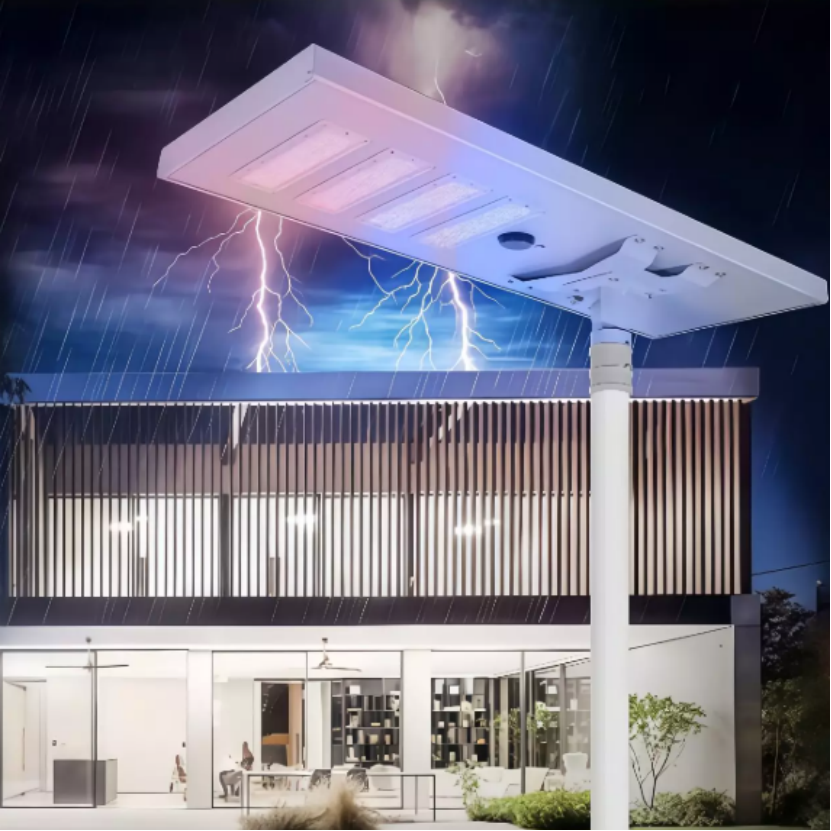
The demand for waterproof solar street lights is witnessing a significant surge, particularly influenced by innovations and advancements from manufacturers in China. As 2026 approaches, businesses need to be aware of the emerging trends surrounding these eco-friendly lighting solutions. The advantages offered by these lights make them an appealing option for urban planning and public infrastructure.
The Shift Toward Sustainable Solutions
The growing trend toward sustainability is a driving factor behind the adoption of waterproof solar street lights. Traditionally, street lighting systems have relied heavily on electricity from the grid, contributing to higher energy costs and a larger carbon footprint. In contrast, waterproof solar street lights utilize renewable energy sources, significantly reducing operational costs and environmental impact. This makes them an attractive choice for municipalities and businesses aiming to enhance their sustainability initiatives.
Furthermore, advancements in technology have led to higher efficiency in solar energy collection and storage. Modern waterproof solar street lights are equipped with intelligent controllers that optimize energy usage, enabling longer illumination times even during less sunny days. This capability ensures that streets, pathways, and public areas remain well-lit, enhancing safety and accessibility. For organizations focusing on smart city solutions, integrating these lighting systems aligns perfectly with broader sustainability goals.
Features Driving Market Growth
A key attribute that sets China waterproof solar street lights apart in the market is their durability and reliability. These lights are specifically designed to withstand harsh weather conditions, ensuring they remain operational throughout the year. The advanced materials and technology used in manufacturing guarantee resistance to rain, wind, and extreme temperatures, making them suitable for varying climates.
Moreover, features such as multi-level protection and remote control operation add to their functionality. Users can customize settings for brightness and lighting schedules, which allows for better energy management. This adaptability meets the needs of different urban environments and changes in traffic patterns throughout the day. The advanced optical-polarized integrated lens found in many models ensures even light distribution, enhancing visibility while reducing light pollution—a significant consideration for cities aiming to improve the quality of night environments.
The Future of Urban Lighting Solutions
The integration of waterproof solar street lights represents a transformative shift in urban planning and public lighting solutions. As cities continue to evolve and adapt to changing environmental conditions, these lighting systems will play a critical role in creating safe and sustainable spaces for communities. For businesses that invest in these technologies now, the return on investment may be seen in both cost savings and enhanced community relations.
When evaluating options in the market, businesses should consider reputable manufacturers known for their innovative approaches. THOE, for instance, has established itself as a leader in the production of waterproof solar street lights. The brand is noted for its advanced features, such as high charging efficiency and multiple lighting modes, which cater to the specific needs of urban environments. By choosing products from industry leaders like THOE, organizations can ensure they are not only investing in effective lighting solutions but also making a commitment to sustainability and innovation.
As the market for waterproof solar street lights continues to expand, staying ahead of sourcing trends will be crucial for businesses looking to enhance their infrastructure while promoting greener alternatives.

