

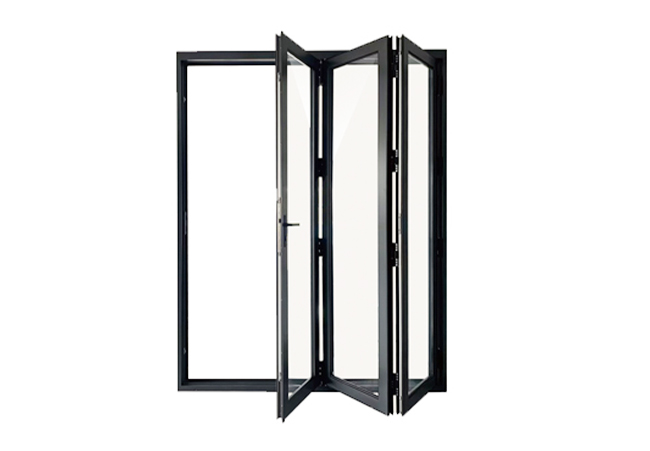
A common architectural dream is to replace a solid wall with expansive glass panels that fold away to reveal a seamless transition between the indoors and the garden. However, when homeowners consider aluminium bifold doors, a technical question often arises: can a system made mostly of metal and glass truly keep a home warm in the winter and cool in the summer? The answer lies in the evolution of thermal engineering, which has transformed these doors from simple dividers into high-performance insulators.
The Science of Thermal Breaks
By its nature, aluminium is a conductor of heat. In early-generation designs, this meant that cold air from the outside could easily travel through the metal frame and enter the living space. Modern aluminium bifold glass doors have solved this through “thermal break” technology.
A thermal break is a layer of non-conductive material—typically a reinforced polyamide bar—placed between the interior and exterior sections of the aluminium profile. This creates a bridge that blocks the flow of thermal energy. In the winter, it keeps the warmth generated by your heating system inside; in the summer, it prevents the sun’s radiant heat from penetrating the frame, maintaining a stable indoor climate and reducing the workload on your HVAC system.
Glazing: The Core of Insulation
Since the majority of a bifold door’s surface area is glass, the glazing choice is the most significant factor in its U-value (the measure of heat transfer). High-efficiency systems utilize double or even triple glazing with specialized features:
- Argon Gas Fill: The space between glass panes is filled with argon, an inert gas that is denser than air and provides a superior layer of insulation.
- Low-E Coatings: Low-emissivity (Low-E) glass features a microscopic metallic coating that reflects long-wave infrared energy (heat) back into the room while still allowing visible light to pass through.
By combining thermally broken frames with advanced glazing, modern bifold doors can achieve U-values as low as 1.4 W/m²K, meeting or exceeding strict international building energy codes.
Airtight Sealing and Weatherproofing
The energy efficiency of aluminium bifold doors is also dependent on their ability to prevent drafts. Unlike a single-swing door, bifold systems have multiple joints where the panels meet. Professional engineering utilizes EPDM (Ethylene Propylene Diene Monomer) gaskets—a high-durability synthetic rubber—at every intersection. When the door is closed and the multi-point locking system is engaged, these gaskets are compressed to create an airtight seal that blocks wind and moisture.
High-Performance Solutions by Bunniemen
Choosing an energy-efficient bifold system requires a manufacturer that prioritizes industrial-grade precision. Bunniemen has established itself as a leading global supplier with 17 years of expertise in “smart” manufacturing. Their 3,500sqm production base is dedicated to crafting door systems that meet rigorous international standards, including Australia’s AS2047 and WERS energy efficiency ratings.
A flagship example of their thermal engineering is the Bunniemen 100 Series Folding Door. These doors are made of high-quality aluminum. This material is inherently resistant to corrosion, rust, and the destructive effects of rain, snow, and intense sunlight. The sturdy aluminum frame can withstand strong winds without deforming or losing its structural integrity. The 100 Series offers versatile glazing options, most notably the 5-9A-5 double tempered glass configuration, which significantly enhances thermal and acoustic insulation.
Beyond its energy-saving capabilities, the 100 Series features smooth-gliding tracks and a robust multi-point locking system, ensuring that the door is as secure as it is efficient. Whether you are building a modern villa or a commercial alfresco space, Bunniemen provides a solution that balances breathtaking aesthetics with the high-performance insulation required for year-round comfort.

