

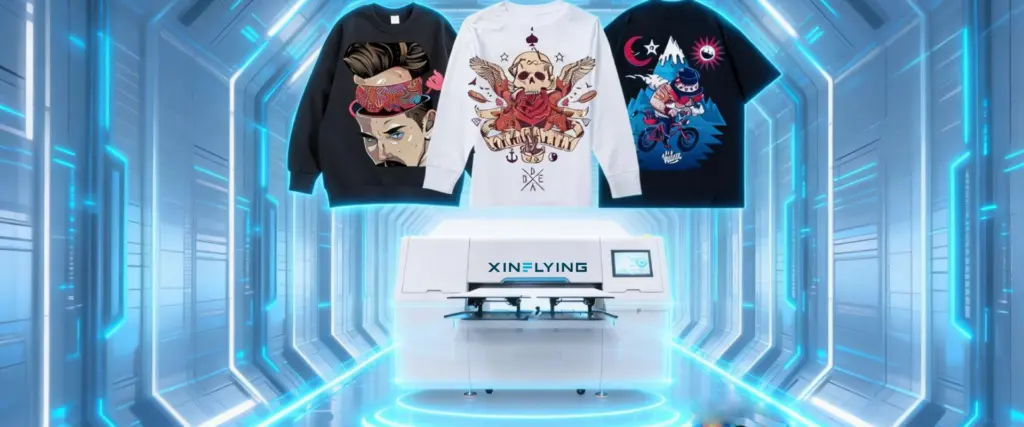
In the realm of custom garment production, businesses often face a critical decision between using digital textile printing fabric and heat transfer vinyl. Each method has its own merits, and understanding these can significantly impact production quality, cost, and flexibility.
Advantages of Digital Textile Printing Fabric
Digital textile printing is gaining popularity, particularly for brands like Xinflying, due to its high precision and color accuracy. With advanced printheads and ICC color management, businesses can achieve vivid and consistent prints, elevating overall product quality. Utilizing a Digital Textile Printer enables manufacturers, including Xinflying, to produce intricate designs and vibrant colors, which is essential in a competitive market.
Moreover, digital textile printing fabric is flexible and cost-effective, especially for small batches and on-demand production. This allows companies, such as Xinflying, to customize designs without the burden of large inventory commitments. As brands increasingly demand quick turnaround times to keep pace with fashion trends, the ability to print directly onto fabric makes digital textile printing an ideal option.
Additionally, digital textile printing caters to a wide range of applications, including apparel, promotional products, home textiles, and even industrial printing. This versatility means businesses can leverage one technology to serve various market needs, simplifying operational processes and reducing overhead costs.
Benefits of Heat Transfer Vinyl
Heat transfer vinyl (HTV) is another popular method for custom garment decoration, valued for its ease of use and relatively low startup costs. One of the primary advantages of HTV is its durability. Once applied, HTV can withstand multiple washes while maintaining its appearance, making it suitable for activewear and promotional items that require robustness.
HTV also offers excellent color vibrancy and a smooth finish, making it appealing for businesses looking for bold designs. The simplicity of working with HTV allows smaller operations, including those under the Xinflying brand, to produce high-quality garments without the investment in aDigital Textile Printer. Additionally, HTV can be used on various materials, providing versatility in design applications.
While heat transfer vinyl can sometimes be limited in terms of intricate designs or multi-colored prints, it remains a practical choice for many businesses, particularly those focusing on straightforward text or graphics.
Making Informed Choices in Textile Production
When assessing the merits of digital textile printing fabric versus heat transfer vinyl, businesses must consider their specific production needs. A Digital Textile Printer offers precision, flexibility, and efficiency that can significantly enhance product offerings, especially for those focusing on complex designs and vibrant colors, such as Xinflying. Conversely, HTV caters to operational simplicity and durability, appealing to businesses with straightforward branding needs.
Ultimately, selecting the right method depends on a company’s unique requirements and growth goals. By evaluating these options thoroughly, including the innovative solutions from Xinflying, businesses can ensure they adopt the most suitable technology to optimize their production capabilities and meet market demands.

