

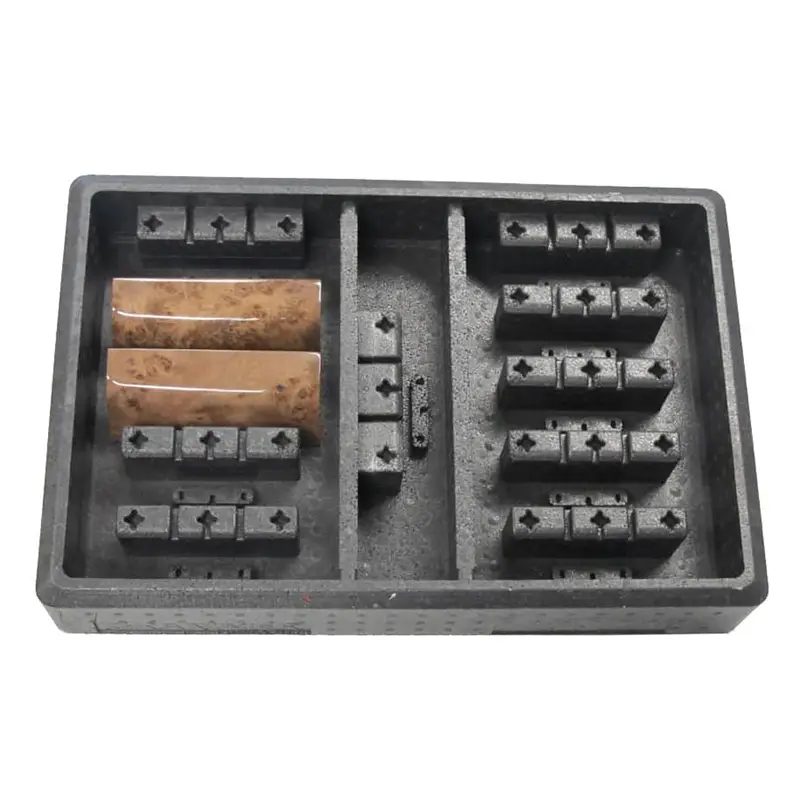
When it comes to shipping and storing electronic and sensitive components, ensuring the right protection is crucial. For procurement managers, choosing the right packaging is a key decision that directly impacts product quality and operational efficiency. Among the most reliable packaging options is Electrostatic Discharge (ESD) foam packaging, which protects sensitive electronics and components from static electricity, a common cause of costly damage. However, despite its effectiveness, several myths surround ESD foam packaging, leading to confusion and suboptimal purchasing decisions. ProFlexPack, a leader in foam packaging solutions, aims to clear up these misconceptions and provide procurement managers with the knowledge they need to make the best choice for their products.
1. ESD Foam Packaging Is Only for Electronics
One of the most common misconceptions is that ESD foam packaging is exclusively for electronics. While it’s true that electronic components are particularly vulnerable to electrostatic discharge, the reality is that ESD foam can be used to protect a wide range of sensitive items beyond electronics. From laboratory instruments to automotive components, any product sensitive to electrostatic damage can benefit from ESD foam packaging.
ProFlexPack’s ESD foam packaging solutions are designed to offer superior protection for products in various industries, including automotive, medical devices, and scientific equipment. The foam works by dissipating static electricity, preventing charge buildup that could potentially damage delicate components. As an OEM/ODM provider, ProFlexPack customizes ESD foam solutions to fit the specific needs of each product, ensuring that every component, regardless of its industry, is safely packaged.
2. All ESD Foam Packaging Is the Same
Another widespread myth is that all ESD foam packaging is created equal. In reality, there are various types of ESD foam—conductive, anti-static, and dissipative—each serving different purposes and providing varying levels of protection. The misconception that all ESD foam offers the same benefits can lead procurement managers to choose the wrong solution, resulting in inadequate protection.
ProFlexPack offers a range of ESD foam packaging options, each designed to meet the specific needs of different products. Conductive foam is ideal for items that require grounding to prevent static discharge, while anti-static foam is best suited for items that don’t require full grounding but still need protection from static electricity. Dissipative foam, on the other hand, is used for components that need to gradually release static charges. ProFlexPack’s tailored ESD foam solutions ensure that the right level of protection is provided for each product, whether it’s a highly sensitive circuit board or a medical device.
3. ESD Foam Packaging Is Expensive and Not Worth the Investment
A common barrier to adopting ESD foam packaging is the belief that it is an expensive option that doesn’t provide enough value. While it’s true that some high-quality ESD foam solutions may come at a premium price, the potential cost savings far outweigh the initial investment. The expense of replacing damaged electronic components or dealing with returns due to static-related issues can be far more costly than investing in quality packaging.
ProFlexPack offers affordable ESD foam packaging solutions that provide excellent value by protecting products during shipping and reducing the risk of damage. The return on investment (ROI) is clear: by preventing costly static discharge damage, businesses can save money on product replacement and avoid the operational disruptions caused by damaged goods. ProFlexPack’s pricing is designed to fit a range of budgets while maintaining high-quality standards, making it a practical and cost-effective choice for procurement managers.
4. ESD Foam Packaging Doesn’t Provide Physical Protection
Another myth surrounding ESD foam is that it only protects against static discharge and does not provide physical protection from impacts or shocks. In fact, high-quality ESD foam packaging also offers excellent cushioning and shock absorption, ensuring that products are protected from physical damage during handling and transport.
ProFlexPack’s ESD foam packaging combines static protection with shock-absorbing capabilities, making it an all-in-one solution for protecting sensitive items. Whether it’s preventing damage to delicate circuit boards or protecting fragile laboratory instruments, ProFlexPack’s ESD foam provides both electrostatic discharge protection and physical impact resistance. This dual protection is crucial for ensuring that products arrive at their destination in perfect condition, minimizing the risk of damage during transit.
5. ESD Foam Packaging Is Not Customizable
Lastly, many procurement managers believe that ESD foam packaging is a one-size-fits-all solution and that customization is not possible. However, the reality is that ESD foam can be fully customized to fit the unique shape, size, and requirements of any product.
ProFlexPack specializes in providing custom ESD foam packaging solutions that are precisely tailored to the dimensions and protection needs of each item. Whether it’s a highly sensitive electronic device, a complex laboratory instrument, or a bulkier piece of equipment, ProFlexPack designs foam inserts that perfectly match the contours of the product, ensuring a secure fit. This level of customization helps reduce movement within the packaging, providing optimal protection against both static electricity and physical impacts.
Conclusion
ESD foam packaging is an essential tool for protecting sensitive products from static damage, and it offers much more than just electrostatic discharge protection. By debunking the myths surrounding ESD foam packaging, procurement managers can make more informed decisions when selecting packaging solutions for their products. ProFlexPack’s customized, cost-effective, and high-quality ESD foam packaging solutions provide the perfect balance of static protection and physical cushioning, ensuring that products are safely delivered in optimal condition.

