

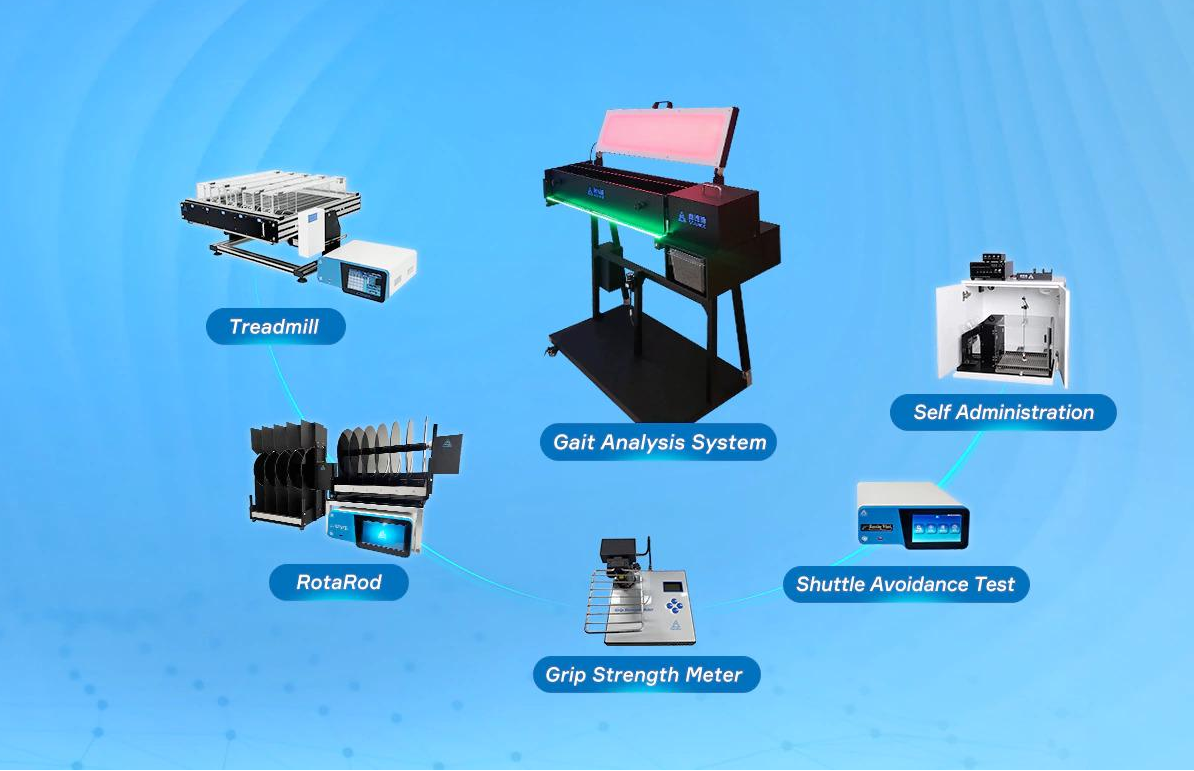
A new neuroscience lab often begins with a long equipment list of neuroscience equipment: behavioral testing systems, motor-function instruments, video tracking tools, and supporting hardware.
The harder task is deciding what belongs in the first phase and how each system will contribute to a coherent research workflow. A practical comparison starts with research priorities, then moves through compatibility, usability, data handling, and long-term expansion.
Define the Research Scope Before Comparing Equipment
Start by mapping the lab’s planned research areas. A laboratory focused on motor disorders may prioritize gait analysis, grip strength, or motor coordination. A cognitive neuroscience group may need maze-based learning and memory assays, while studies of anxiety, fear, reward, or addiction call for different behavioral paradigms.
This first mapping keeps the comparison focused on actual research requirements rather than a simple checklist of features. It also helps distinguish equipment that is essential for current projects from systems that may be useful later.
Compare Neuroscience Equipment by Experimental Function
A practical comparison is based on what an instrument measures and how that measurement fits the planned protocol. Consider the animal species and size, number of subjects tested per run, stimulus types, measurable endpoints, software requirements, and whether the system supports manual, automated, or both operating modes.
Different stages of this process can be supported by equipment from several behavioral categories. BioMed Easy’s official product range covers motor coordination, learning and memory, anxiety/fear/emotion, reward and addiction, video tracking, and Physiology & Neurosurgery.
Listed equipment includes Rodent Gait Analysis, RotaRod, Grip Strength Meter, T-Maze, Y-Maze, Fear Conditioning System, Open Field Test, and SANS-AI Video Tracking Software.
Check Throughput and Laboratory Workflow
Capacity matters when a new lab expects multiple projects or larger cohorts. Compare how many animals can be tested in one session, how quickly chambers can be prepared between trials, and whether multiple channels are available.
For example, its Fear Conditioning System supports mice and rats and can be expanded up to 16 channels. It combines video capture, behavioral scoring, controlled stimulation, and automatic data saving, which can be relevant for laboratories planning higher-throughput behavioral studies.
Also consider the physical workflow. Equipment should fit the available bench or room space, allow practical animal handling, and leave enough room for cleaning, storage, and operator movement.
Examine Data Collection and Analysis
A new lab should compare not just the instrument, but also the path from raw observations to usable results. Ask whether the system records data automatically, what file formats are available, and whether the software supports the parameters required by the planned studies.
For video-based experiments, SANS-AI Video Tracking Software uses deep-learning key-point recognition to identify the animal contour, nose, body center, and tail base. The official page lists trajectory and heatmap visualization, adjustable observation areas, and real-time or offline analysis.
It also lists applications including Morris Water Maze, Barnes Maze, T-Maze, Y-Maze, Open Field, fear conditioning, and social interaction studies.This kind of software capability can be important when researchers expect behavioral datasets to grow across experiments.
Evaluate Support, Training, and Future Compatibility
Technical support deserves the same attention as hardware specifications. A new laboratory may need help with installation, operation, troubleshooting, or adapting a system to a particular study. Check what support channels are available, how quickly technical issues are handled, and whether training is provided.
BioMed Easy states that its technical team handles application and breakdown inquiries and can discuss product modification or customization for researchers’ specific needs. Its support page also states that regular instruments generally carry a one-year warranty.
Future compatibility matters as well. Consider whether additional units, channels, software functions, or related behavioral systems can be added as the laboratory’s research program develops.
Build an Equipment Plan Around Research Priorities
Once the comparison is complete, divide purchases into three practical groups: equipment required for immediate studies, equipment that supports near-term expansion, and optional systems for future research directions. This approach can make budgeting clearer while keeping the laboratory aligned with its initial scientific goals.
The objective is not to collect the largest number of instruments. It is to establish a dependable research platform in which behavioral assays, acquisition methods, analysis tools, and operational support work together.
Choose a Research Partner for Long-Term Support
SANS Biotechnology counts BioMed Easy Technologies among its subsidiaries; the company develops laboratory animal and neuroscience research equipment. The company was founded in 2016; it supports more than 3,000 laboratories worldwide, and its certifications include CE and ISO9001.
Beyond the standard range, BioMed Easy manufactures its systems in-house with its own R&D team, which can matter when a laboratory expects configuration or customization support. Contact the team to discuss your laboratory plans and identify suitable equipment for the next stage of neuroscience research.

