

Restorative sleep depends heavily on the continuous, unobstructed flow of oxygen throughout the night. When physical blockages or neural signals interrupt this flow, the human body experiences brief, repeated awakenings known as micro-arousals.
Deploying a modern CPAP device serves as a vital non-invasive method to counteract these sudden upper airway collapses. This technology delivers a controlled stream of ambient air to ensure constant airway patency during deep sleep.
Unmanaged breathing interruptions prevent individuals from reaching the deeper stages of rapid eye movement rest. Over time, this lack of slow-wave sleep destabilizes natural metabolic and restorative processes.
Chronic Fatigue and Daytime Cognitive Impairment
Fragmented nighttime rest directly impairs the brain’s ability to process information and manage daytime cognitive responsibilities. Individuals with compromised sleep quality frequently struggle with short-term memory retention and prolonged reaction times.
Such persistent exhaustion elevates the risk of occupational errors and vehicular accidents during daily commutes. Utilizing a dedicated CPAP device regularly helps lower these cognitive hazards by stabilizing sleep architecture.
Consistent morning headaches and unrefreshing rest indicate that the body is working too hard to breathe at night. Restoring normal airflow patterns allows the neurological system to recover efficiently during sleep.
Cardiovascular Strain and Long-Term Systemic Risks
Every instance of airway obstruction triggers a sharp drop in blood oxygen saturation, forcing the heart to pump faster to compensate. This recurrent nocturnal hypoxemia places immense physical stress on the myocardial tissue and vascular walls.
Prolonged exposure to these oxygen fluctuations contributes directly to the development of resistant hypertension and arterial stiffness. Clinical evidence links unmanaged sleep apnea to elevated risks of irregular heartbeats and metabolic dysfunction.
Stabilizing upper airway pressure reduces the physical workload placed on the circulatory system each night. Protecting the body from these dramatic oxygen drops remains crucial for long-term health.
Mechanical Differences in Positive Airway Support Platforms
Different types of respiratory challenges necessitate distinct therapeutic approaches and mechanical capabilities. While certain conditions only require a single, continuous level of pressure, others demand dynamic multi-level adjustments.
For individuals managing severe chronic obstructive lung conditions, medical distributors often look for specialized breathing machies for copd. These advanced medical devices alter pressure settings to assist with both inhalation and carbon dioxide exhalation.
Matching the specific physical condition with the correct mechanical platform determines the overall success of the treatment. Advanced ventilation systems ensure that users do not experience excessive breathing discomfort during therapy.
Adaptive Algorithms and Patient Compliance Optimization
Older generations of breathing equipment relied entirely on manual adjustments performed during clinical sleep studies. Modern engineering now integrates intelligent software capable of evaluating real-time breath-by-breath performance.
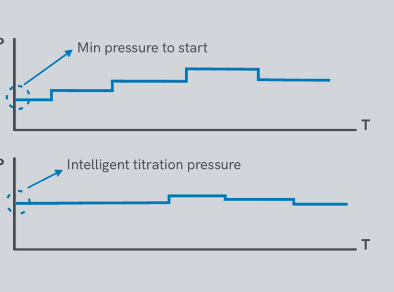
Systems featuring the specialized iAPAP Intelligent Titration algorithm automatically adjust baseline pressures according to historical therapy records. This software allows the machine to adjust its output to match changing airway demands.
This degree of precise adjustment ensures optimal comfort without requiring constant manual settings. Reducing structural resistance makes it much easier for patients to stick with their prescribed therapies.
Mitigating Respiratory Comorbidities Through Targeted Ventilation
Overlapping respiratory conditions often complicate standard home care strategies for complex patients. When a patient suffers from both airway collapse and weakened lung capacity, basic single-pressure systems are rarely sufficient.
Utilizing optimized breathing machies for copd helps manage complex cases where gas exchange is severely compromised. These dual-level platforms help clear trapped carbon dioxide while maintaining baseline oxygen levels.
Addressing these underlying physiological issues helps prevent sudden hospital readmissions and emergency clinical visits. Targeted mechanical support significantly improves daily functional capacity and overall survival rates.
The Industrial Architecture of Contemporary Medical Devices
The expansion of the international healthcare market drives specialized manufacturing firms to implement strict quality controls. These enterprises focus heavily on integrating clinical research with automated manufacturing techniques.
Among these specialized organizations, Beyond stands out for its extensive capabilities in medical hardware engineering and technical customization. The company develops reliable, factory-direct respiratory solutions designed for global medical networks.
Investing in internal surface-mount technology workshops allows manufacturers to maintain high standards across all production lines. This technical foundation ensures that domestic care equipment performs reliably in diverse environments.
Regulatory Benchmarks and Global Procurement Standards
International healthcare distributors prioritize safety documentation and manufacturing certifications when selecting equipment providers. A reliable device must meet rigid international standards before entering clinical environments.
Acquiring recognized certifications like MDR-CE, FDA, and ANVISA confirms that a manufacturer operates with high precision. These stringent quality credentials provide assurance to medical procurement professionals worldwide.
Comprehensive warranty programs and local technical assistance further protect distributors from operational disruptions. Robust supply chains ensure that medical facilities receive dependable equipment and parts.
Conclusion
Addressing chronic sleep disturbances requires a clear understanding of the physiological benefits provided by a modern CPAP device. From stabilizing oxygen levels to reducing mental fatigue, these systems protect vital bodily functions.
For patients experiencing profound lung diseases, integrating specialized breathing machies for copd provides necessary support for long-term ventilation. These advanced machines deliver the precise pressure adjustments required to manage complex respiratory needs.
By linking manufacturing expertise with deep clinical insights, Beyond continues to develop dependable solutions for the global medical market. Continued technological innovation ensures that healthcare providers can offer safe, effective, and comfortable home care options.

