

The transition from clinical study planning to regulatory submission requires continuous alignment between multiple decisions. Protocol design affects operational execution, trial data determines the strength of regulatory evidence, and submission requirements influence how studies should be planned from the beginning.
For many sponsors, the difficulty is maintaining this connection when different stages are managed by separate vendors. A clinical operations provider, data management team, and regulatory specialist may each complete their assigned responsibilities, but the overall development strategy still depends on how effectively these activities work together.
Integrated clinical development services address this coordination challenge by linking protocol design, clinical execution, and submission preparation within one development framework. The goal is not simply to combine more services, but to ensure that each stage contributes to a consistent regulatory pathway.
The Coordination Risks Behind Multiple Clinical Vendors
Specialized vendors allow sponsors to access expertise in specific areas of clinical development. However, managing multiple providers also requires careful coordination of timelines, responsibilities, communication processes, and quality expectations.
The main risk appears when decisions made by one team influence another area without sufficient alignment. For example, a change in protocol requirements may affect site operations, patient recruitment strategies, data collection procedures, and regulatory documentation.
Without a connected management structure, sponsors may need to spend significant resources maintaining communication between vendors and resolving gaps between different functions.
A well-defined clinical development plan provides strategic direction by outlining development goals, clinical milestones, and evidence requirements. However, the effectiveness of that plan depends on whether all involved teams are working toward the same objectives throughout execution.
Protocol Design Connects Scientific Goals With Operational Reality
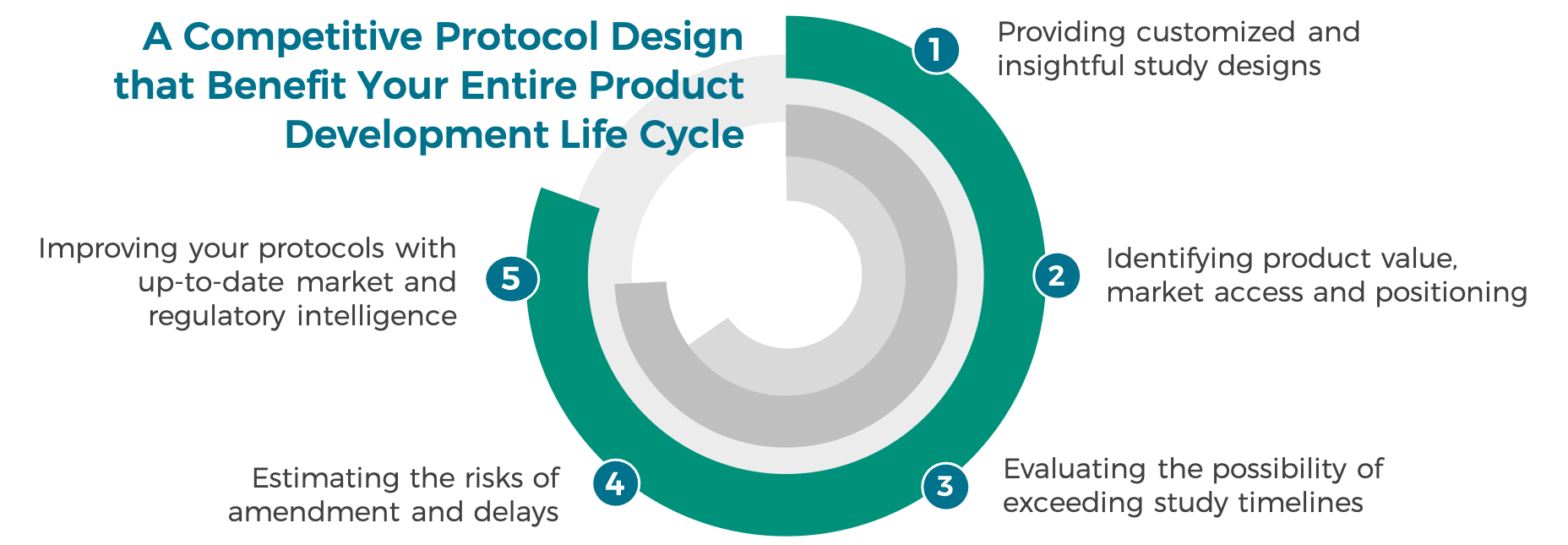
Protocol development is the starting point where scientific objectives become practical clinical activities. Decisions related to patient selection, endpoints, visit schedules, and study assessments influence every later stage of the program.
A protocol designed without considering operational requirements may create difficulties during trial execution. Recruitment challenges, additional amendments, or unexpected data requirements can increase project complexity and affect timelines.
Integrated support allows protocol decisions to be evaluated from multiple perspectives before implementation. Clinical strategy teams can consider scientific objectives while operational and regulatory teams assess feasibility and future evidence requirements.
This approach helps ensure that study design supports not only immediate trial goals but also later regulatory expectations.
Coordinated Execution Strengthens Evidence Quality
Clinical trial execution generates the data that will eventually support regulatory review. Because of this connection, clinical operations cannot be separated completely from submission strategy.
When different vendors manage trial activities independently, maintaining consistency between operational decisions, data collection, and regulatory documentation can become more difficult.
An integrated model creates stronger communication between clinical operations, medical oversight, data management, and regulatory teams. This allows potential issues to be identified earlier and ensures that collected evidence remains aligned with the intended development pathway.
For sponsors, the advantage comes from reducing unnecessary adjustments between different stages of development rather than simply increasing the number of available services.
Submission Preparation Begins Before the Final Filing Stage
Regulatory submission is often viewed as the final step of clinical development, but preparation for submission begins much earlier. The strength of a regulatory package depends on whether previous clinical decisions have generated appropriate and complete evidence.
Endpoints selected during protocol development, data collected during trials, and documentation created throughout the program all contribute to submission readiness.
When regulatory considerations are included from the beginning, sponsors can better understand whether ongoing studies are generating evidence that supports approval objectives.
Full-service clinical development models help maintain this connection by ensuring that submission requirements remain part of the overall development strategy rather than a separate activity at the end.
When Full-Service Clinical Development Support Becomes Necessary
Not every sponsor requires the same level of external coordination. However, integrated support becomes increasingly valuable when programs involve multiple regions, complex therapeutic areas, or limited internal resources.
Biotechnology companies may require broader development expertise as they move from research-stage activities into clinical testing. Larger pharmaceutical organizations may also seek integrated support when managing global programs that involve multiple specialized partners.
In these situations, the benefit of a full-service model comes from reducing the coordination burden between different development functions.
Maintaining Continuity Across Clinical Development With Tigermed
The ability to connect different stages of development is a critical consideration when sponsors evaluate clinical service providers. Individual expertise remains important, but effective coordination determines whether these capabilities contribute to a unified development strategy.
Tigermed provides clinical development strategy capabilities that help sponsors align study planning, operational requirements, and regulatory objectives throughout the development process. By connecting different clinical activities within a structured framework, Tigermed supports programs that require consistency across multiple development stages.
A coordinated approach based on integrated clinical development services allows sponsors to manage complex programs with clearer visibility from initial protocol design through regulatory preparation. A comprehensive clinical development plan provides the strategic foundation, while aligned execution helps ensure that every stage contributes to the final submission objective.

