

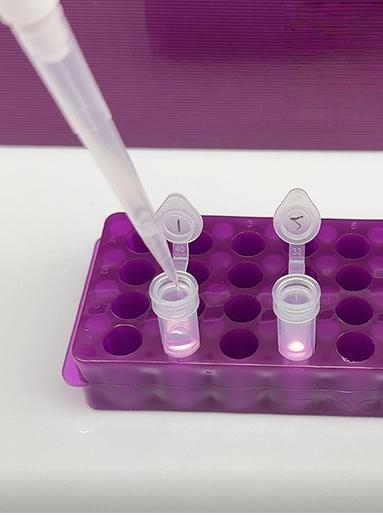
An automated nucleic acid extractor is a critical instrument in modern laboratory workflows, designed to standardize the process of isolating DNA/RNA from biological samples. Workflow consistency is essential for obtaining reliable and reproducible results, particularly when handling multiple samples or complex materials. Manual procedures lead to operational variability, and more importantly, they easily trigger well-to-well cross-contamination and create obvious throughput bottlenecks in high-volume testing. By contrast, an automated nucleic acid extractor minimizes these problems by executing each step under controlled and repeatable conditions. It avoids cross-contamination, raises sample throughput and ensures stable performance throughout nucleic acid extraction.
Standardization of Extraction Procedures
One of the primary ways an automated nucleic acid extractor improves consistency is through the standardization of workflow steps. In a typical extraction process, stages such as binding, washing, and elution must be performed with precise timing and conditions. Automated systems use programmed protocols to control these steps, ensuring that each sample undergoes identical processing. Magnetic bead–based technology allows nucleic acids to bind specifically and be transferred through different stages using controlled magnetic rod movement. This approach eliminates variability associated with manual handling and ensures uniform interaction between reagents and samples. As a result, an automated nucleic acid extractor enables consistent nucleic acid recovery across multiple runs.
Reduction of Variability and Contamination Risk
Another important factor contributing to workflow consistency is the reduction of variability and contamination risk. Automated systems incorporate precise liquid handling, stable mechanical operation, and controlled mixing to maintain consistent reaction environments. Features such as enclosed workflows and ultraviolet sterilization help prevent cross-sample interference and preserve sample integrity. In addition, the ability to process multiple samples simultaneously ensures that all samples are subjected to the same conditions, reducing discrepancies between batches. By minimizing manual intervention, an automated nucleic acid extractor reduces operational variability and enhances the reliability of laboratory workflows.
Practical Perspective
Overall, an automated nucleic acid extractor improves workflow consistency by standardizing procedures, reducing variability, and maintaining controlled operating conditions. TIANGEN Biotech (Beijing) Co., Ltd. develops automated nucleic acid extractor systems that integrate magnetic bead technology, precise control mechanisms, and contamination prevention features. TIANGEN provides solutions designed to support reproducible and stable nucleic acid extraction workflows across a wide range of laboratory applications.

