

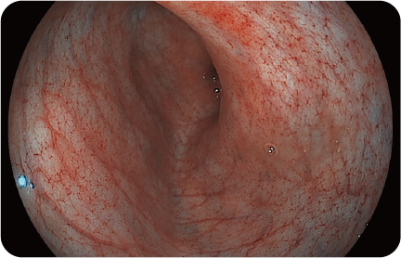
Clinical facilities must prioritize precision and efficiency when integrating new diagnostic tools into their gastroenterology departments. A modern endoscopy system serves as the backbone for detecting gastrointestinal disorders, requiring a balance between high-resolution imaging and operational durability. They look for platforms that offer multi-spectral imaging to assist in early cancer screening by highlighting subtle mucosal and vascular changes. By examining the specific technical capabilities and ergonomic features of a gastrointestinal endoscope, medical administrators can evaluate whether the selected equipment is suitable for the demands of a high-volume hospital environment.
Superior Imaging and Diagnostic Accuracy
High-definition visualization is the primary factor they consider when assessing the quality of a medical imaging platform. The EIS-2000 endoscopy system utilizes an innovative 4-channel LED light path to provide high luminous output with minimal heat generation. This technology supports dedicated spectral modes like SEI and DCI, which enhance the contrast between superficial and deep blood vessels. When practitioners use a high-quality gastrointestinal endoscope, they gain the ability to delineate lesion margins more clearly, which is critical for making an accurate diagnosis during complex procedures.
Operational Durability and Workflow Efficiency
Reliability remains a crucial metric for any facility managing a continuous stream of patient examinations. They evaluate the bending durability of the gastrointestinal endoscope to ensure it can withstand thousands of cycles without compromising its structural integrity or image quality. Furthermore, an efficient endoscopy system includes integrated features like an auxiliary water jet to rapidly clear mucus and debris from the field of view. These functional enhancements allow clinical teams to maintain a steady workflow, reducing the time required for each session while maintaining high standards of care and hygiene throughout the department.
Flexibility and Long-Term Value
Adaptability across various clinical scenarios ensures that a hospital maximizes its investment over time. The hardware they select must be compatible with a wide range of scopes for upper and lower tract examinations, providing a versatile solution for diverse patient needs. Since the LED light source in a modern endoscopy system can offer a lifespan exceeding 20,000 hours, it significantly reduces the need for frequent maintenance and bulb replacements. This longevity, combined with a highly maneuverable gastrointestinal endoscope, allows hospitals to deliver consistent, high-quality medical services while controlling long-term operational costs effectively.
Selecting the right equipment involves a thorough analysis of both optical performance and mechanical endurance. By focusing on systems that offer advanced spectral imaging and robust construction, hospitals can enhance their diagnostic capabilities and procedural safety. The right technology not only supports the medical staff in identifying pathologies but also ensures a reliable and streamlined experience for every patient.

