

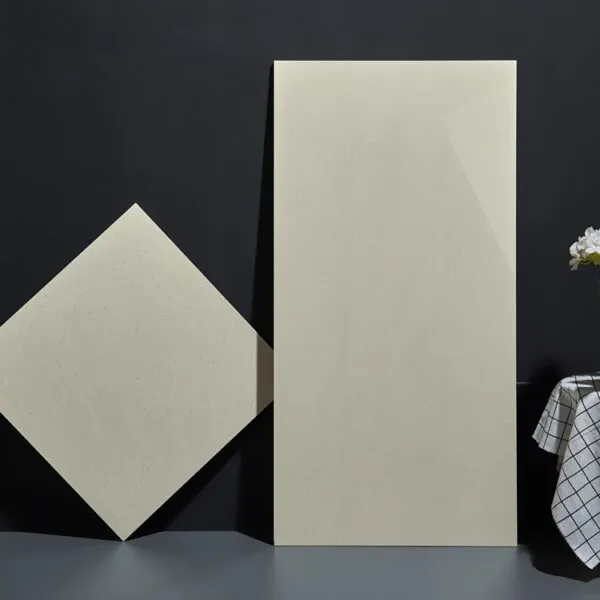
Specifying flooring for a washroom involves navigating a unique set of constraints that differ considerably from dry interior spaces. The surface must tolerate constant moisture exposure, resist staining from toiletries, provide safe footing when wet, and maintain its structural appearance under daily wear. Porcelain has emerged as a dominant material for this application due to its low porosity, high density, and broad design versatility across diverse architectural styles.
Yet, not all porcelain products perform equally in demanding washroom environments. Buyers searching for the best porcelain tile for bathroom floors must look beyond surface aesthetics and carefully evaluate slip resistance, water absorption, abrasion ratings, and long-term maintenance requirements. Understanding how these structural properties interact ensures a floor layout that remains functional, safe, and visually consistent over years of continuous daily use in residential or commercial settings.
Why Porcelain Outperforms Other Bathroom Floor Materials
Porcelain is manufactured from refined clay fired at significantly higher temperatures than standard ceramic materials. This process creates a vitrified body with a water absorption rate typically below 0.5 percent. This near-impermeability helps prevent moisture ingress that might otherwise degrade backing adhesives and subfloor structures over time. Furthermore, compared to natural stone, porcelain generally avoids the need for periodic sealing.
It also usually resists etching from mildly acidic cleaning solutions and tolerates underfloor heating systems without significant dimensional distortion. JLA Ceramics manufactures a dedicated range of porcelain floor tiles engineered specifically for wet-area performance. The company’s production facilities utilize advanced firing technology to achieve consistent vitrification across large manufacturing batches. This systematic approach supports reliable specification for washroom projects of varying scales.
Evaluating Slip Resistance for Wet Environments
Slip resistance serves as a critical safety attribute for any washroom flooring. Porcelain surfaces are often rated by dynamic coefficient of friction values, with higher coefficients indicating better traction under wet conditions. Polished and high-gloss glazes typically offer lower wet traction and are generally more suitable for dry vanity zones. Matte, textured, and slip-resistant glazed finishes provide safer alternatives for active shower areas.
Buyers should consistently verify that selected products meet the slip-resistance requirements of local building codes for barefoot wet spaces. JLA Ceramics subjects every batch of porcelain floor tiles to quality checks covering surface durability and flatness testing. For wet-area applications, buyers should also confirm slip-resistance ratings and water-absorption specifications with the manufacturer to verify suitability for their specific environment.
Durability: Abrasion, Impact, and Moisture Resistance
Washroom floors experience concentrated wear from heavy foot traffic, dropped toiletries, and thermal cycling from hot water systems. A porcelain product’s wear rating indicates its general suitability for light residential through heavy commercial use. For family bathrooms and hospitality applications, selecting a moderate to high wear rating is advisable. Moisture resistance extends beyond the tile body directly to the protective glaze layer.
A well-fired glaze resists micro-abrasion that could otherwise dull the surface and trap dirt in microscopic pores. With extensive production experience, JLA Ceramics operates dedicated factory lines for floor tile manufacturing. Rigorous quality checks on flatness, color consistency, and surface durability address the mechanical requirements of washroom installations subject to daily foot traffic.
Format Size, Joint Width, and Waterproofing Integration
Tile format influences both the visual scale of a washroom and the practical integrity of its underlying waterproofing. Large-format profiles reduce grout joint quantity, minimizing pathways for moisture penetration and simplifying cleaning routines. However, they require flatter substrates and more precise cutting around plumbing fixtures. Smaller formats accommodate irregular room geometries more forgivingly but increase overall grout maintenance requirements over the long term.
Joint width and grout type should be closely coordinated with the chosen waterproofing membrane system. Cementitious grouts with additives or epoxy grouts offer enhanced water resistance. JLA Ceramics produces porcelain floor tiles in multiple formats suitable for varied layouts, from standard dimensions to larger profiles. The company provides technical guidance on substrate preparation and installation strategies supporting effective waterproofing integration for commercial builds.
Maintenance, Cleaning, and Long-Term Appearance
The long-term appearance of a washroom floor depends largely on maintenance protocols alongside initial material selection. The non-porous body of porcelain resists deep staining, but grout joints remain vulnerable to discoloration from soap residue and hard water deposits. Regular cleaning with pH-neutral formulations helps preserve glaze integrity, while highly acidic or abrasive cleaners might etch certain surface finishes if applied incorrectly.
Textured surfaces may require occasional deep cleaning to dislodge debris from subtle recesses. Selecting a floor with an appropriate grout color reduces the visible maintenance burden over time. JLA Ceramics offers after-sales technical support that includes cleaning recommendations and maintenance guidance. This support helps property owners and facilities managers address routine care questions.
Selecting the Best Porcelain Tile for Bathroom Floors
Identifying the best porcelain tile for bathroom floors requires matching product specifications to specific environmental conditions. Buyers should evaluate expected foot traffic, chemical exposure, heating compatibility, and desired aesthetic outcomes. Requesting physical samples helps assess color accuracy, surface texture, and glaze quality under actual lighting conditions. A supplier’s ability to deliver consistent batch quality and support installation practices is highly important for project success.
JLA Ceramics is a professional wall and floor tile manufacturer based in Foshan, China. The company offers a comprehensive porcelain collection alongside custom design and OEM services. With strict quality assurance protocols and extensive export experience, JLA Ceramics provides flooring solutions that meet the safety and durability requirements of global projects. To browse porcelain floor tile specifications and slip-resistance data, visit JLA Ceramics.

